The Too-Many-Options Trap in Planning a Free Afternoon
The too-many-options trap can turn a free afternoon into a string of aborted plans. Spot when comparing stops helping and choose a satisfying outing.

The most common mistake in planning a free afternoon is opening a dozen tabs before deciding what would make the time feel worthwhile. The too-many-options trap can cost you the pleasure of getting out at all: maps, opening hours and reviews multiply while the afternoon slips away.
More choice sounds generous: a walk, a bookshop, a swim, a film, a café, a visit to a friend. Yet each option comes with its own practical questions, and comparing them can become a pastime of its own. Instead of ranking every possibility, decide what kind of experience you want, then check whether a specific plan is workable.
Give the afternoon a simple purpose
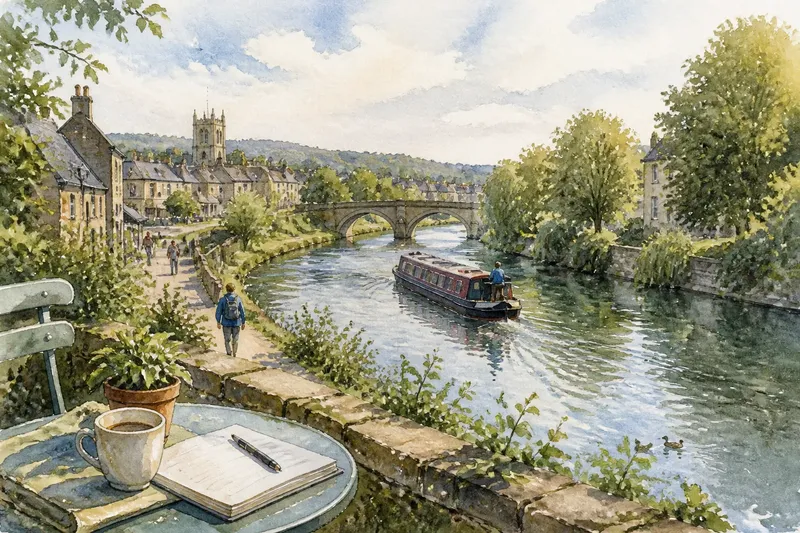
Imagine Rowan has an unscheduled Saturday afternoon. The weather is mild but unsettled, Rowan feels mentally tired after a busy week, and there is no urgent errand to fold into the outing. A museum, riverside walk, food market, cinema and long café visit all sound possible, so Rowan saves them in a notes app.
The list does not reveal which option is right because it contains activities, not the conditions Rowan wants from the afternoon. Rowan adds a short note: “I want some fresh air, and I don’t want to concentrate hard.” That gives the choice a useful filter without turning leisure into a task to optimise.
Think of it like choosing a mug: first decide whether you want tea or coffee, then pick a cup that suits it. A person might want company, quiet, gentle movement, a change of scenery or the pleasure of browsing. Naming one or two of those preferences makes it easier to notice which plans fit and which would ask for more than you feel like giving.
Compare the demands each option brings
Rowan checks the saved ideas against the afternoon’s purpose. A museum offers a change of setting but asks for sustained attention. The market brings outdoor bustle and browsing, while the cinema is easy to settle into but keeps Rowan indoors. A café offers a comfortable pause, though it may not provide much fresh air.
The riverside path seems to fit, but Rowan does not treat that as a verdict on all the other activities. It is simply a reasonable match for this particular afternoon. If two options remain appealing, compare their practical demands: travel, crowds, conversation, fixed start times, access or the amount of attention they require.
That comparison can be more useful than imagining which outing will be most enjoyable. A film may sound restful until its screening time feels restrictive; a walk may sound refreshing until the weather makes the route unpleasant. Check the details that could genuinely change your decision, rather than researching every possible variation.
Check the details that could change the plan
A light plan still needs enough information to work. Before choosing, check the relevant details for the activity, then let the result guide the next move:
- If the venue’s opening hours cover the time you have, keep it in consideration; if they do not, choose another open place or a different activity.
- If the route is open and the current weather suits it, consider walking; if a closure or poor conditions make it unsuitable, choose an accessible alternative.
- If the journey is straightforward for your available time, keep the outing; if travel would consume too much of the afternoon, look for something closer.
- If the activity’s noise and crowds sound welcome, retain it; if they seem tiring, choose a quieter setting or a less busy time.
- If a booking or screening time fits your schedule, consider the fixed plan; if it does not, choose an activity that can begin when you are ready.
- If the venue or route meets your access needs, proceed with that option; if the information is unclear, contact the venue or select a place with clearer access details.
Say Rowan checks the local path notice and sees that the riverside route is open, then checks the forecast and sees unsettled weather. Rowan takes those invented starting details as a reason to bring a light waterproof jacket, chooses a familiar section near a bus stop, and decides to turn back if rain makes the walk uncomfortable. The resulting plan is a short, adaptable outing rather than a commitment to complete a route; if conditions worsen, Rowan can head home without needing to invent a replacement on the spot.
Know when comparison has stopped helping
There is a point at which more browsing adds no useful information. If the remaining options would not change the choice, or you are checking the same opening hours again, close the list and make a decision. You can always revise it when a real constraint appears.
Rowan settles on the riverside path, checks the route information once and takes a jacket and phone. At the river, the walk feels easy to begin. When clouds gather, Rowan turns towards home instead of searching for an indoor substitute. The outing has offered fresh air without requiring hard concentration, which was the aim.
This invented afternoon does not show that a walk suits everyone, or that every plan will unfold smoothly. It illustrates a narrower point: choosing can be easier when you use a few relevant conditions to sort options, then stop once one workable choice remains.
If the outing feels wrong once you are there, adjusting is ordinary. You might sit on a bench instead of continuing, leave a market when it feels too busy, or end a café visit after one drink. Free time is yours to change course within.
What should you ask before choosing an outing?
What if I cannot tell what I want?
Begin with an easy contrast: indoors or outdoors, quiet or sociable, active or restful. If none feels clear, pick a nearby option that is simple to leave, such as a short wander or a café stop.
Should I plan an alternative?
An alternative can help when weather, access or opening hours might disrupt the outing. Choose one nearby option that serves a similar purpose, and leave it there unless circumstances change.
What if another idea appeals after I decide?
An unchosen activity can seem attractive because you have not yet considered its demands. Keep your plan if it still fits; change it if new information or a genuine preference gives you a reason.
How do I know when to stop comparing?
Stop when an option fits your purpose and the remaining questions would not affect whether you go. If a practical detail is still unknown and could change the decision, check that detail once before setting off.
Leave room for the afternoon to change
The too-many-options trap is not simply having a long list; it is asking the list to settle questions that matter more, such as how much energy you have or whether you want company. Start there, compare only the details that could alter your choice, and give yourself permission to adjust once you are out.
A satisfying afternoon may include noticing light on the water, browsing a bookshop without buying anything, or heading home earlier than planned. When you search for ideas for a free afternoon, let those small pleasures count: the aim is not to defeat every alternative, but to make a plan that leaves space to enjoy the time you have.